
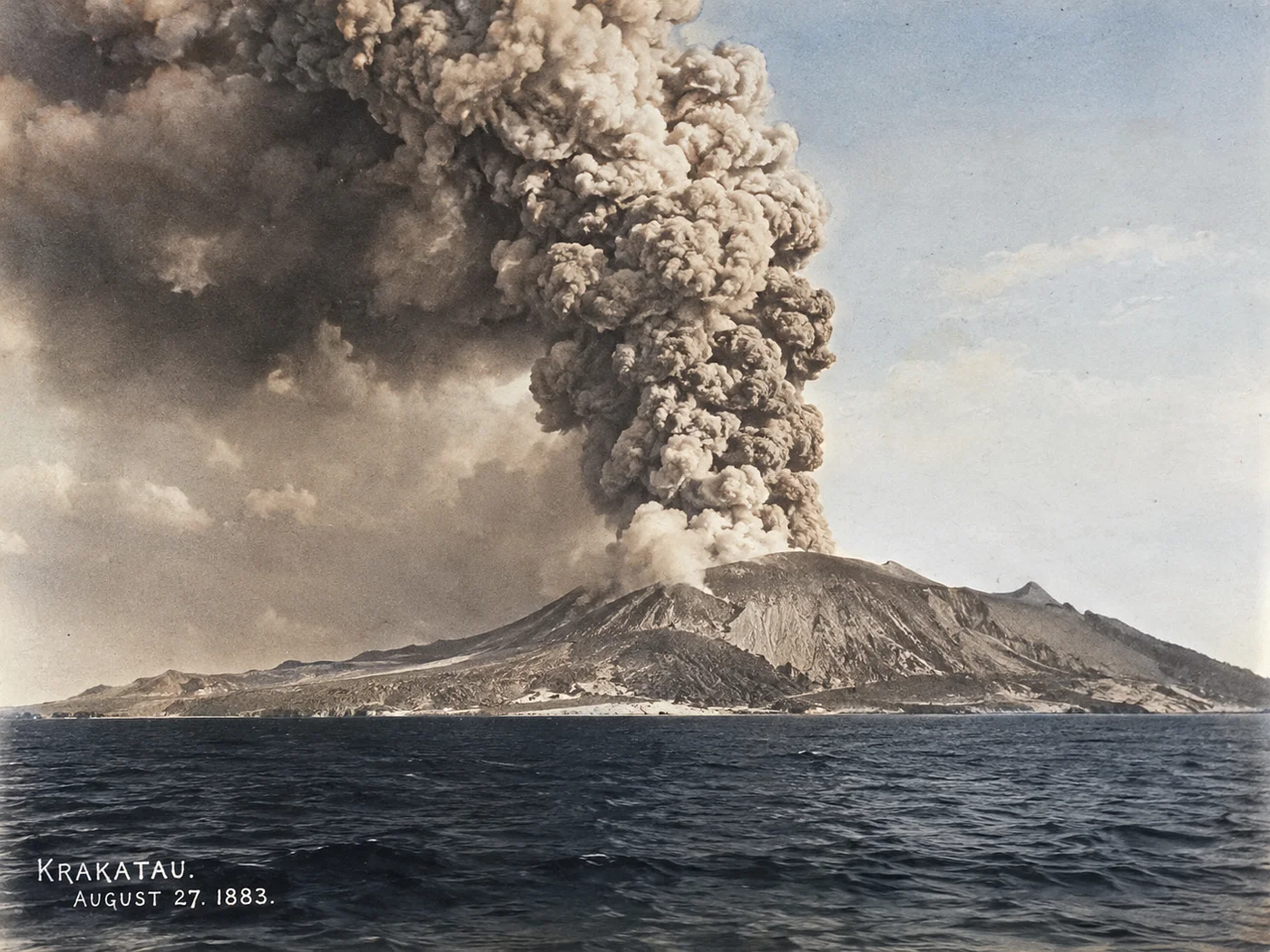
The Volcano That Made Itself Heard Around the World
Indonesia, 1883. One island, an extraordinary explosion, and a sound that travelled farther than anyone would reasonably expect.
On 27 August 1883, Krakatoa erupted with such violence that people thousands of kilometres away thought they were hearing artillery fire.
They weren't. They were hearing a volcano in what is now Indonesia.
The world's least discreet eruption
The explosions were heard in parts of Australia and on Mauritius, more than 4,600 kilometres from Krakatoa.
The atmospheric pressure waves travelled around the planet several times, leaving measurable traces on instruments far beyond the eruption itself.
For an event without radio, television or the internet, Krakatoa was remarkably successful at making international news.
The sound was only the beginning
The eruption destroyed much of the volcanic island and generated devastating tsunamis that struck nearby coastlines.
More than 36,000 people died, overwhelmingly as a result of the tsunamis.
Ash and gases entered the atmosphere, affecting skies and temperatures far beyond Indonesia. The eruption's influence could be seen in extraordinary sunsets around the world.
Krakatoa had managed to make itself both heard and seen on a global scale.
An island with an afterlife
The story didn't end in 1883.
In 1927, a new volcanic island began emerging from the sea in the same volcanic complex. It became known as Anak Krakatau — Child of Krakatoa.
The original island had been largely destroyed. The volcanic system was still very much in business.
The souvenir: Our Krakatoa design takes its cue from an event whose reputation travelled considerably farther than the island itself.
Some destinations make an impression. Krakatoa made a pressure wave.
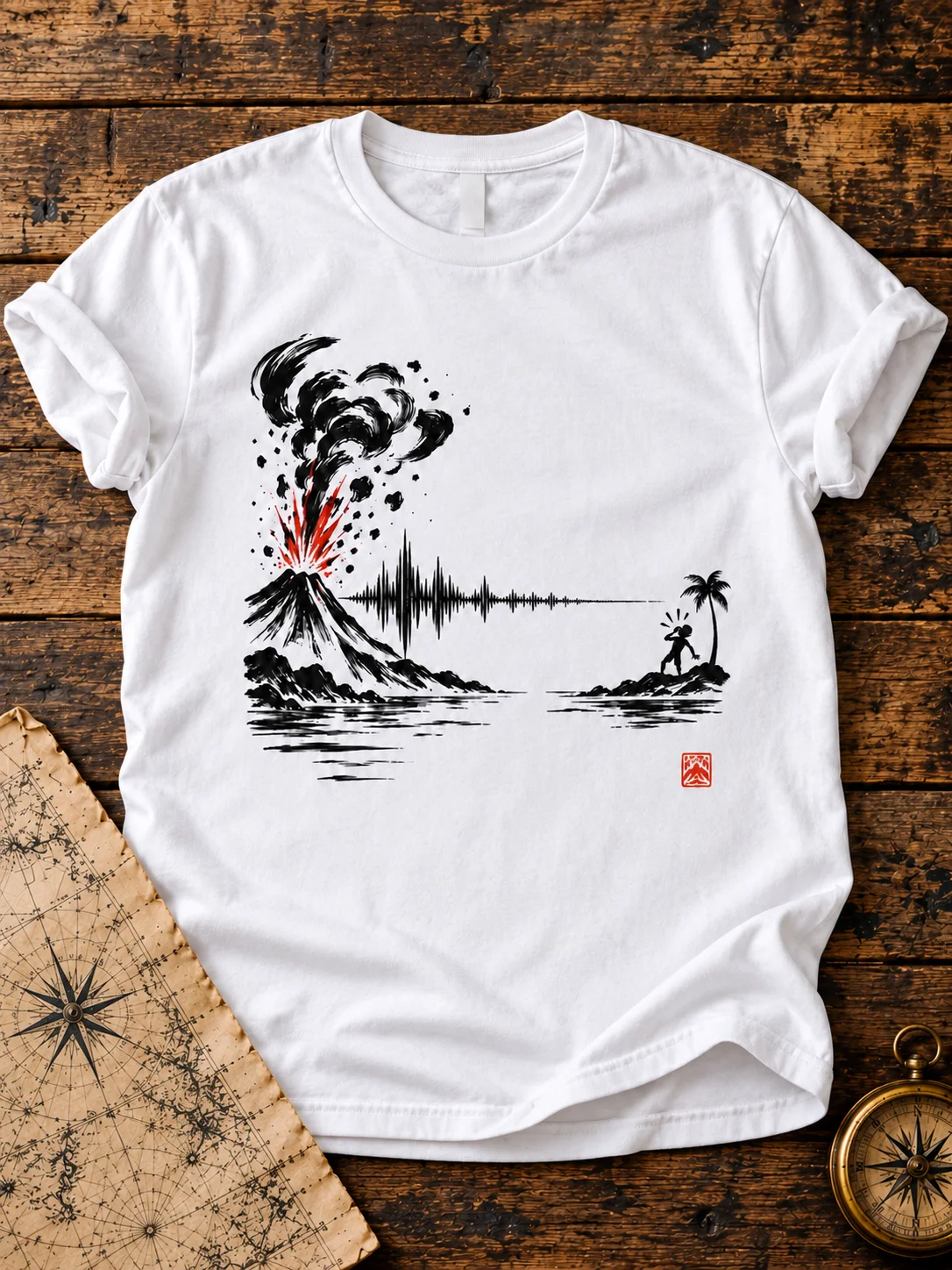
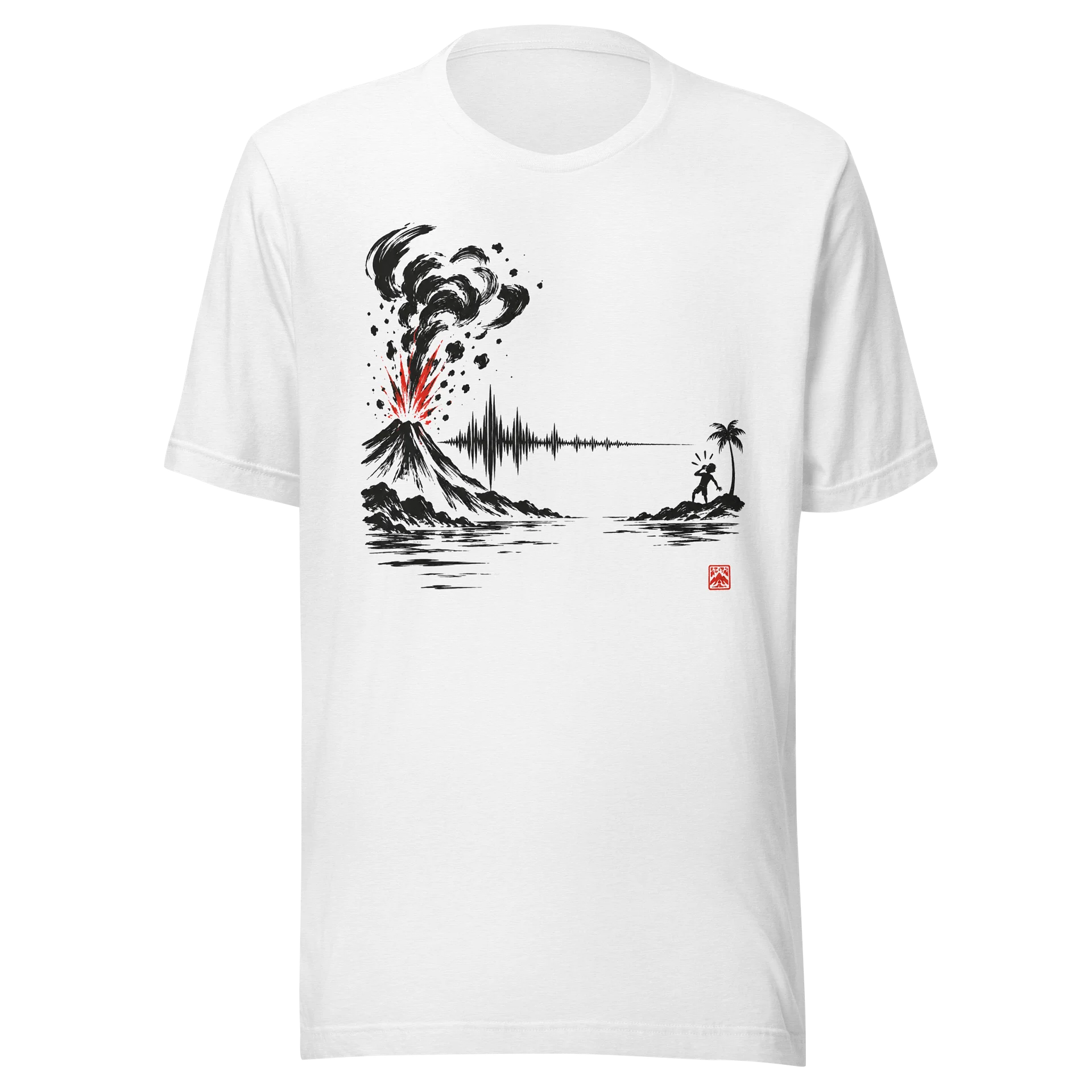
Krakatoa Volcano 1883 T-Shirt
4,800 km away. Still within earshot.
On 27 August 1883, Krakatoa erupted in what is now Indonesia. Its explosions were heard on Rodrigues, nearly 4,800 kilometres across the Indian Ocean, where they sounded like distant cannon fire.
An extraordinary distance for a sound to travel. An entirely reasonable reason to stop what you’re doing.
This design brings that story into a single composition: an erupting volcano, a sound-wave motif stretching across the water, and one distant listener with a hand to their ear. Expressive black brushwork and sharp red accents keep the eruption centre stage.
For volcano enthusiasts, geography obsessives and anyone who likes a shirt with a good explanation.
Krakatoa, 1883.
A very loud piece of history. A considerably quieter T-shirt.
Krakatoa Volcano 1883 T-Shirt Size Guide
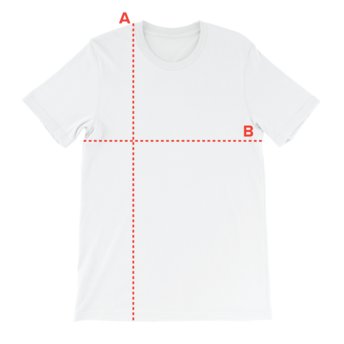
| Size label | Length | Width |
|---|---|---|
|
XS
|
27
|
16 1/2
|
|
S
|
28
|
18
|
|
M
|
29
|
20
|
|
L
|
30
|
22
|
|
XL
|
31
|
24
|
|
2XL
|
32
|
26
|
|
3XL
|
33
|
28
|
|
4XL
|
34
|
30
|
|
5XL
|
35
|
32
|